Book Appointment Now

Best Wig Cap for Sensitive Scalp: An Overview
I have tested more than a dozen caps against my own reactive scalp, and the blunt answer is that the best wig cap for a sensitive scalp is a seam-free, breathable bamboo or soft-mesh cap worn with a silk grip band, not the tight nylon stocking that ships free in most boxes. Friction, trapped heat, and hairline pressure drive most reactions, rarely the fiber itself. That logic holds across every hair toppers for thinning hair setup I have fitted, because the cap is the skin-facing layer that decides whether a piece feels calming or unbearable.
Table of Content
What Makes a Wig Cap Sensitive-Scalp Friendly?
What Does Scalp Sensitivity Actually Mean?
Sensitivity is a threshold problem, not a single condition: skin reacts when friction, occlusion, or residue crosses its own tolerance line. That line sits lower for people with seborrheic dermatitis, psoriasis, eczema, alopecia areata, or post-chemo follicles. Before recommending anything I ask three questions — does it breathe, does it stay still without pinching, and does it leave residue? A cap that fails two of them will fail your scalp inside a week.
Medically, sensitive scalp is a description rather than a diagnosis, which is why patch-testing is worth the trouble. Some wearers react to dyes, fragrance finishes, or a latex-elastane band long before the base fabric becomes a suspect. Reactions often take 24 to 72 hours to show, so judge a new cap over several short wears instead of one afternoon. No product is universally safe, and identical caps produce different responses.
Which Fabric Properties Actually Matter?
Three properties decide comfort: airflow, surface friction, and elastic recovery. Airflow governs heat buildup under a dense hairpiece, friction governs irritation at the temples and nape, and recovery governs migration. Look for open-weave construction, flat-locked interior seams, and a band that springs back rather than stretching out. Weight matters too — anything much above 30 grams starts registering as crown pressure after four hours of wear.
Moisture handling separates caps that feel dry at noon from caps that feel clammy by ten in the morning. Bamboo and fine merino blends wick; plain polyester holds. If you sweat easily or live in a humid climate, this single variable often explains why two people rate the same cap completely differently. I now weigh wicking above softness for anyone who wears a cap more than five hours a day.
| Material | Airflow | Surface friction | Moisture handling | Typical US price | Best for |
|---|---|---|---|---|---|
| Bamboo jersey | Medium | Low | Good wicking | $15–$30 | Daily wear, chafing-prone skin |
| Cotton stockinette | Medium to high | Medium | Absorbs but holds damp | $8–$18 | Short wears, cool climates |
| Fine polyester mesh | High | Medium, seam dependent | Poor wicking, dries fast | $10–$25 | Heat-sensitive scalps, humid rooms |
| Stretch lace | High | Low to medium | Poor wicking | $20–$45 | Exposed hairlines, lace-front pieces |
| Velvet grip band | Low | High grip, low glide | Traps heat | $8–$20 | Stopping slippage, never full coverage |
| Nylon stocking cap | Very low | High glide | Traps sweat | $1–$5 | Brief barrier only, not daily use |
Does Fit Outrank Fabric?
Fit outranks fabric: an average mesh cap that fits properly beats a premium bamboo cap that binds at the temples. Circumferential tension, not thread count, produces most pressure headaches. Measure your head circumference above the ears and across the forehead, then choose a cap with at least 1.5 cm of give. Caps sold only in an average size are the most common cause of returns I see, and the most common reason a promising wig ends up in a drawer.
Which Cap Materials Beat Itching and Heat?
Bamboo, Cotton, Mesh, or Velvet?
Bamboo jersey wins on softness and moisture transfer: the fiber pulls sweat off skin and stays smooth against scar tissue or a shaved scalp. Cotton breathes well but holds dampness, softening and chafing after a few hours. Mesh disperses heat fastest, yet every seam becomes a scratch point. Velvet belongs on grip bands, not on skull caps — it grips beautifully and traps heat badly.
My practical order for reactive skin is bamboo first, fine open mesh second, cotton third, and anything with a fused seam last. Fused seams sit like a thin ridge and produce the red stripe that appears by evening. If you love the coolness of mesh, choose a version with flat-locked interior seams and no elastic casing running across the forehead.
Do Lace Front Caps Help or Hurt?
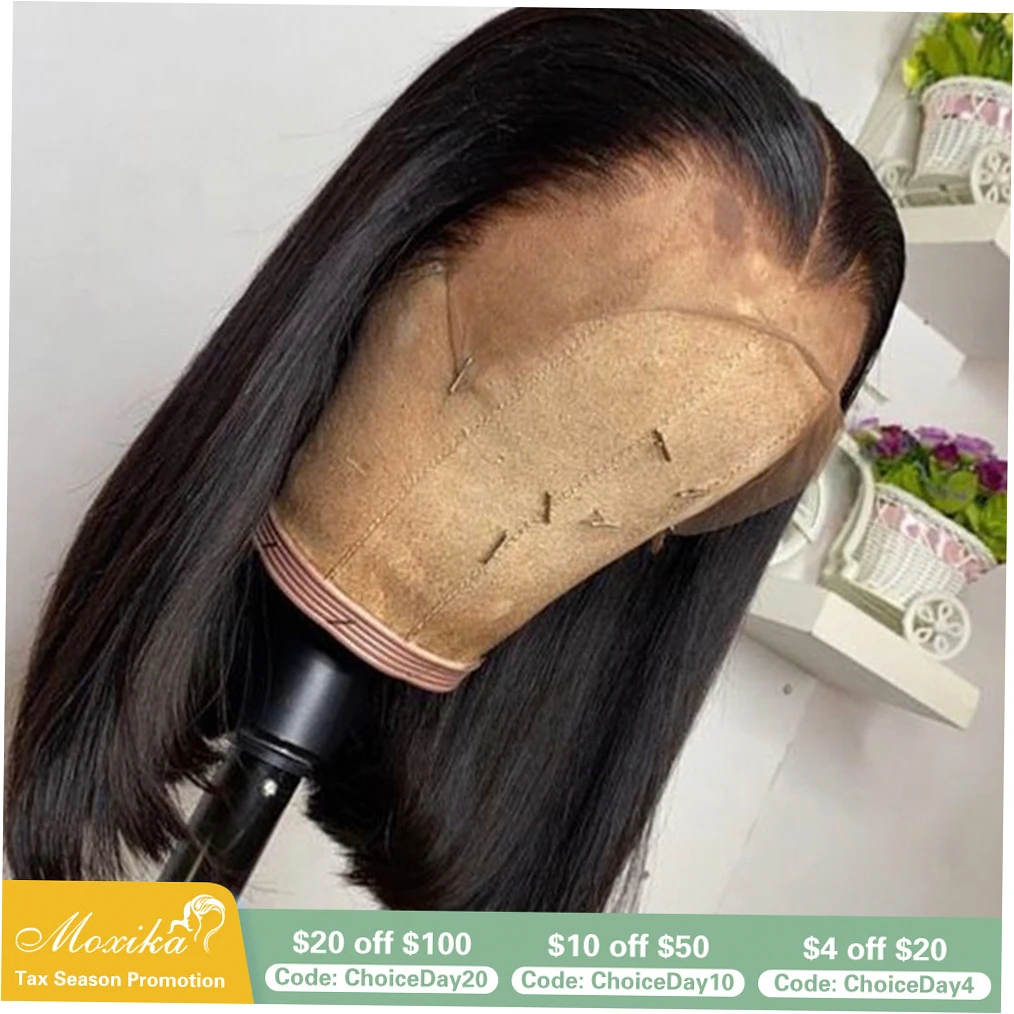
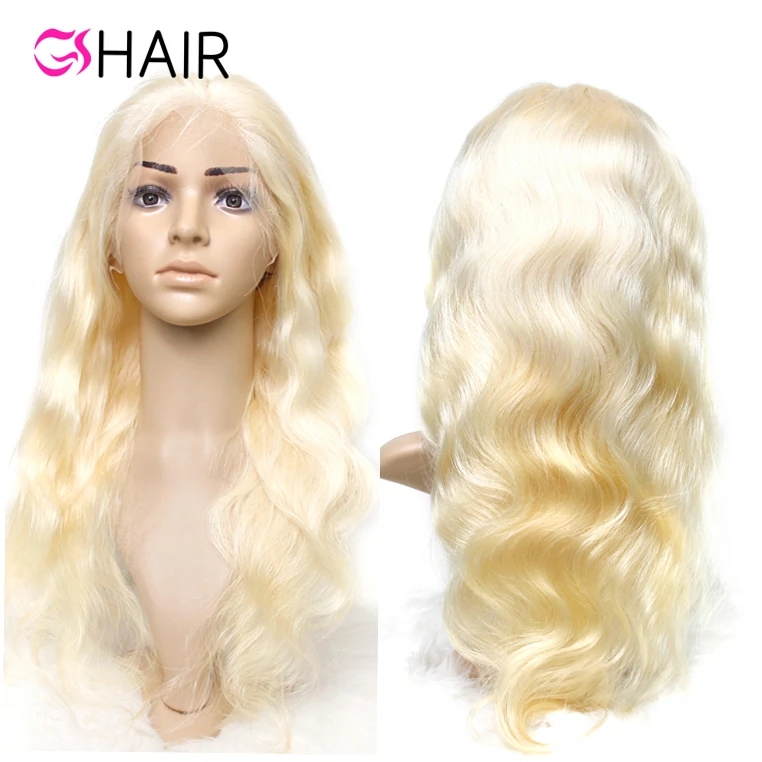
Lace helps only when the adhesive routine is clean. The lace itself is feather-light, but the bond, the solvent, and daily removal are what inflame a sensitive hairline. I suggest lace to wearers who want an exposed hairline and can commit to gentle, alcohol-free removal; everyone else is safer with a closed cap plus a soft band. Comfort, not realism, should decide this purchase.
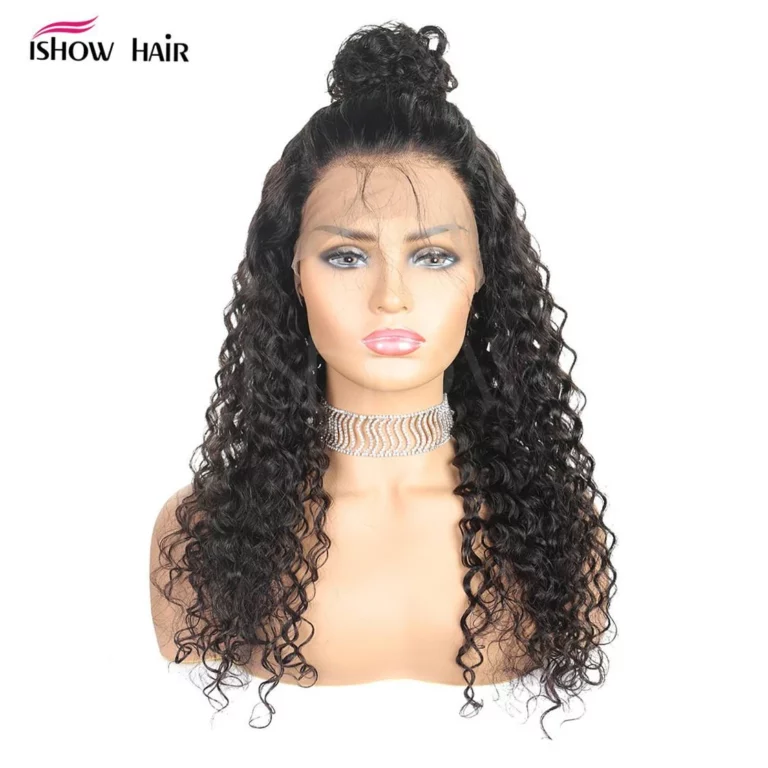
Where the hairline genuinely matters, an invisible HD lace wig uses an ultra-fine front that melts into skin without a heavy base, which reduces bulk over sensitive temples. The cost is upkeep: that lace needs careful cleaning and a compatible adhesive, and it forgives skipped preparation far less than a closed cap does.
Why Do Wearer Reports Differ From Spec Sheets?
Spec sheets describe a cap in laboratory conditions; wearers describe it on hour six of a humid Tuesday. Three patterns recur across the accounts I have collected and my own fittings. Breathable caps often sacrifice security. Generous sizing claims rarely survive a tape measure. And people who struggle tend to stack headbands, tape, scar tape, and grips at once, which usually signals the wrong base cap rather than a missing accessory.
| Cap type or claim | What the spec sheet says | What wearers report | Practical takeaway |
|---|---|---|---|
| Ventilated mesh cap | Maximum airflow keeps the scalp cool all day | Cool for the first hours, then the piece slides and feels less secure than a lace-top style | Pair mesh with a velvet band; do not size down to compensate |
| Universal fit, up to 23 inches | Stretch band accommodates most heads | Itching and headaches on a measured 23-inch head, with deep temple marks | Measure first; buy a size class with 1.5 cm of give |
| Open lace top | Breathable lace equals all-day comfort | Comfortable, but the unit felt less secure than expected during movement | Use clips or a grip band; avoid for active days |
| Proprietary comfort fabric | New-generation blend, softer than cotton | Fiber composition unclear; buyers unsure what sits against their skin | Request the composition in writing before paying |
Treat that comparison as a buying filter rather than a verdict. Every cap in the table can work; they are simply optimized for different priorities, and marketing language hides which priority you are actually buying. When a listing leans on proprietary fabric names without a fiber breakdown, ask for the composition in writing before you commit, and keep the answer with your purchase receipt.
Why Do Wig Caps Still Cause Headaches?
Where Does the Pressure Come From?
Headaches trace to three pressure sources: an elastic band pulling circumferentially, clips biting at the temples, and adhesive curing tight against skin. Circumferential tension is the most common offender and the easiest to correct. If a cap leaves a mark that lasts more than twenty minutes after removal, it is too tight, regardless of what the label claims about stretch. Fix the size before you blame the style.
Adhesive reactions form the second pattern. Cyanoacrylate lace glues and some solvents trigger contact dermatitis along the hairline within a day or two. Silicone-based options and water-soluble removers lower the risk, though no method is reaction-free. If you have reacted once, treat adhesive as a controlled experiment: small area, short wear, and a written note of which product stayed on for how long.
Which Mistakes Make Sensitivity Worse?
The costliest mistake is treating symptoms with accessories instead of correcting the base layer. Wearers who rotate through headbands, tapes, and grips are usually compensating for a cap that is the wrong size or the wrong fabric. Sleeping in a heat-trapping cap is the second mistake. The third is buying an unnamed blended fabric because the listing promised softness and cooling in the same sentence.
| Risk | What you notice | Likely cause | Fix that works |
|---|---|---|---|
| Hairline irritation | Warm red line within two hours | Elastic casing plus detergent residue | Flat band; double-rinse new caps |
| Pressure headache | Dull ache by mid-afternoon | Size class too small | Size up; break in over short wears |
| Contact dermatitis | Itchy bumps 24 to 72 hours after lace application | Adhesive or solvent | Stop use; patch-test; switch to silicone or glue-free |
| Heat rash at the nape | Prickly bumps in warm rooms | Low airflow under a dense unit | Bamboo or mesh shell; loosen the nape |
| Constant slippage | Cap rotates, repeated readjusting | Smooth hair plus a frictionless cap | Velvet grip band instead of a tighter cap |
When Should You See a Dermatologist?
Book an appointment if redness persists beyond a few hours, if skin breaks or weeps, if blisters form, or if hair loss accelerates where the band sits. Those signs point to contact dermatitis or an active inflammatory condition that a cap swap will not solve. Nothing here replaces a clinical assessment; this is guidance for narrowing down the causes you can control at home.
How Do You Fit a Cap Gently?
How Do You Measure Before Buying?
Measure twice with a soft tape: circumference at the widest point of the skull, front hairline to nape, and ear to ear across the crown. Write the numbers down, because sizing charts vary by one to two centimeters between brands. Choose a size class with 1.5 cm of give; if you land exactly on a boundary, take the larger class and control movement with a grip band instead of tension.
How Do You Layer and Secure Without Tape?
Build outward from skin: a thin bamboo liner, then the cap, then a silk or velvet band holding the front edge. Three soft surfaces spread pressure that one elastic edge would concentrate. Skip adhesive during the first week so you can judge the cap alone, and add tape only once the base layer is genuinely comfortable for a full day.
Break-in matters more than most people expect. Wear a new cap for 45 minutes on day one, two hours on day three, and a half day by the end of week one. Record where it itches, when the ache starts, and what the band looks like at removal. That log turns vague discomfort into a specific fix — size, seam, or fabric — instead of an expensive guess.
| Stage | Wear time | What to record | Adjustment trigger |
|---|---|---|---|
| Day 1 | 45 minutes | Itch location, band mark depth | Any mark lasting over 20 minutes |
| Day 3 | 2 hours | Time the headache starts | Ache before the two-hour mark |
| Day 7 | 4 hours | Sweat and heat at the crown | Clammy scalp by hour three |
| Week 2 | Full working day | Nape and temple skin condition | Redness that persists overnight |
| Week 3 | Routine plus one long day | Stability without extra accessories | Needing tape or clips to stay put |
Which Cap Setup Fits Your Week?
How Should You Match the Cap to Your Schedule?
If your scalp is under medical care — after surgery, during chemotherapy, or through a dermatitis flare — the cap decision belongs inside a wider sensitive scalp care routine, because cleansers, wear frequency, and weekly scalp checks matter as much as fiber. Fabric solves friction; the routine solves residue and heat. Both have to work before a cap starts feeling invisible.
For eight-hour office days, choose bamboo with a velvet band and keep a spare cap for humid afternoons. For workouts, skip the cap or use a thin mesh liner you swap immediately afterward. For sleep, use a satin bonnet rather than a wig cap, since overnight heat is where irritation quietly accumulates. Match the tool to the hour, not to the marketing copy.
What Does a Realistic Trial Plan Look Like?
Buy two caps, not five: one bamboo and one fine mesh in your measured size. Change a single variable each week — first the base cap, then the band, then any adhesive — so you can attribute improvement honestly. Keep the packaging and the return window open until you have logged three full wear days. Most reactions reveal themselves inside that window, which makes testing cheap and decisive.
Accept a ceiling on what a cap can do. It reduces friction and manages heat; it cannot fix an active flare or a badly sized wig. Choose the calmer base layer first, rebuild the rest of the system around it, and give yourself a fortnight before judging the result.
Frequently Asked Questions About Sensitive Scalp Caps
Is a nylon stocking cap ever okay for a sensitive scalp?
Rarely. Nylon stockings are cheap, thin, and almost airtight, so they trap sweat against skin and slide against fine hair. They work as a disposable barrier under a snug wig for an hour or two, but they are a poor daily base for anyone reactive. Most people I fit notice less itching within days of switching to a stitched bamboo cap.
Bamboo or mesh cap: which is better for itching?
Bamboo is better for friction and moisture; mesh is better for heat. If your discomfort arrives as redness and chafing, choose bamboo. If it arrives as prickly heat and sweat, choose fine mesh, ideally with flat-locked seams. Anyone who reacts to both should layer a thin bamboo liner under a mesh cap rather than hunting for one perfect fabric.
Can a wig cap cause headaches, and how tight is too tight?
Yes, and tension is the usual mechanism rather than fabric weight. A useful test: take the cap off and look at your forehead and temples. A faint mark that fades within twenty minutes is acceptable; a ridge that lasts an hour, or an ache behind the eyes by mid-afternoon, means the size class or band is wrong. Size up before trying anything else.
What if the cap still itches but there is no rash?
Residue and seam placement are the likely culprits. New caps often carry manufacturing finishes, so wash them twice in fragrance-free detergent and rinse thoroughly before first wear. Then run a finger along the interior, because any raised seam, tape edge, or label will show up instantly. If itching persists past two weeks with clean caps and no visible rash, get it assessed rather than continuing to experiment.
Do these caps work for a 23-inch head or larger?
Some do, but universal sizing is where buyers get burned. A cap advertised as fitting up to 23 inches may technically stretch that far while pressing hard enough to cause headaches — a gap between fit and comfort that wearers describe often. Measure first, then look for makers who publish band length and fabric stretch rather than one stretch figure.
How much should a scalp-friendly cap cost?
Expect roughly 12 to 35 US dollars for a well-made bamboo or mesh cap, and more for medical liners with documented fiber content. Above that range you are usually paying for branding or a cosmetic lace finish, not for scalp comfort. Two mid-priced caps let you test a bamboo and a mesh option for less than one premium purchase.
Can you wear a cap directly on a shaved or bald scalp?
Yes, with one adjustment: friction rises sharply on bare skin, so choose a smooth interior and skip anything with a silicone grip strip against the scalp. Bamboo and satin-faced liners glide rather than drag. Check the skin at the nape after each wear during the first week, since early redness is easier to manage than a developed irritation.
Sources consulted include published dermatology reviews on scalp occlusion and contact dermatitis, manufacturer specification sheets for bamboo, mesh, and lace cap constructions, sizing charts published by wig makers, and wearer accounts gathered in public hair-loss communities during 2024 and 2025. Prices are indicative US retail ranges for that period and vary by market. This article is general guidance rather than medical advice; persistent scalp symptoms deserve a clinician’s assessment.