Book Appointment Now

Human vs Synthetic Hair Toppers: Which Is Better?
Last spring I set a $60 synthetic topper and a $340 human hair topper side by side on my bathroom counter and gave each one two full weeks. My verdict on human hair vs synthetic hair toppers has nothing to do with quality and everything to do with scheduling: if you want to clip in and walk out in six minutes with zero styling, buy synthetic; if your own hair needs heat, color correction and a seamless blend, pay for human hair.
Table of Content
Both fibers belong to the same family of coverage — toppers for thinning hair that hide a widening part instead of covering the whole head — so the material only matters where the piece meets your own hairline. Keep that frame in mind before you disappear into fiber arguments on social media.
What Separates Human Hair From Synthetic Toppers
How Each Fiber Is Made
A human hair topper is cut from donor hair, usually with the cuticle aligned in one direction and lightly processed to soften it. A synthetic topper is extruded from modacrylic, polyester or PVC filament, then heat-set into a permanent wave or straight pattern. That manufacturing gap explains almost every behavioral difference you will notice in daily wear.
Donor hair keeps its natural protein structure, so it responds to moisture, oils and heat the way your own hair does. Extruded filament has no cuticle and no protein; it holds whatever shape the factory baked in, and it will not absorb conditioner, dye or scalp oils. Neither is fake — they are different materials with entirely different failure modes.
Why the Cuticle Changes Everything
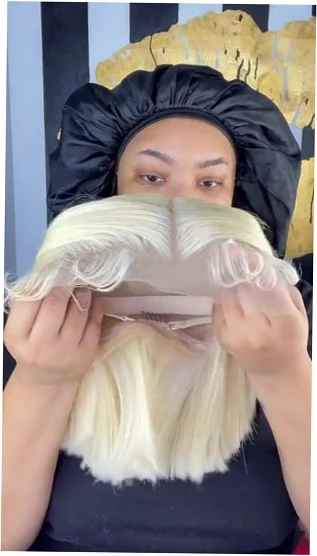
Because human hair has overlapping cuticle scales, strands slide in one direction and resist the backward friction that causes matting. Synthetic filament is glassy and smooth, which feels silkier out of the box but builds static and traps lint. If you live somewhere dry, static is usually the first complaint you will notice.
The cuticle also explains color. Human hair can be lifted, toned and glossed, so a colorist can pull it two shades toward your natural ash brown. Synthetic color is locked in at the factory; you pick from a swatch ring and live with it, which is a genuine advantage when your shade is standard and a real headache when it is not.
| Feature | Human hair topper | Synthetic topper |
|---|---|---|
| Material | Donor keratin fiber with cuticle | Modacrylic, polyester or PVC filament |
| Heat tolerance | Handles hot tools with care and lower settings | Standard fiber fuses; heat-friendly lines tolerate brief low heat |
| Color adjustment | Can be dyed, toned and glossed | Factory-set, not dyeable |
| Style memory | None, resets after every wash | Permanent set that returns after washing |
| Typical lifespan | 9 to 18 months with care | 3 to 6 months of daily wear |
| Typical price | $200 to $700 | $40 to $150 |
Which Topper Looks More Natural in Daylight?
Shine, Density and the Scalp Illusion
Synthetic fiber reflects light in a flatter, more mirror-like way, which is why cheap pieces glow under office lighting. Silk-top and monofilament bases fix most of that by letting your scalp show through a believable part. Human hair scatters light like your own hair does, but an overly dense human topper still looks heavy and wig-like.
Density, not fiber, is what usually gives a piece away. I have watched $500 human pieces look obvious at 180% density on a woman with fine hair, and $70 synthetic pieces pass completely at 110%. Ask for the lowest density that still covers your thinning area, whichever fiber you choose.
Color, Texture and Blending Realities
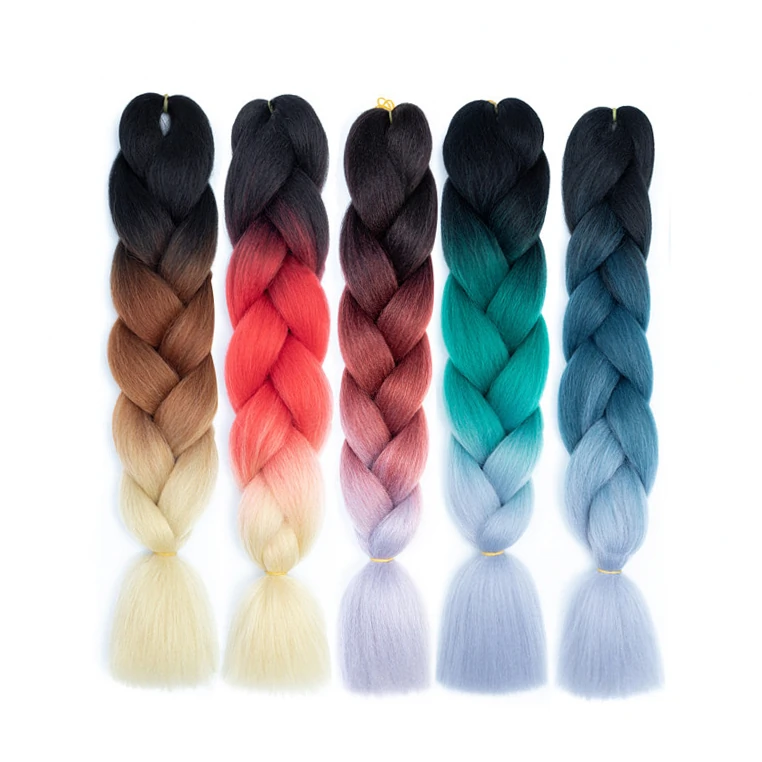
This is where honest reviews get uncomfortable. Budget human hair often arrives very dark or very warm, and wearers chasing an ashy mid-brown end up paying for corrective toning on top of the piece itself. Synthetic ranges frequently offer better ash and balayage options for a fraction of that cost.
Blending decides realism in daylight. A topper one shade lighter than your own hair usually reads as natural highlights, while an exact match can look flat. If your part and hairline need help, these topper blending techniques soften the lace-front transition without bangs, gel or extra product.
| Claim on the box | What wearers actually experience | Practical takeaway |
|---|---|---|
| Human hair lasts for years | Most report 9 to 18 months before dryness and shedding; budget pieces degrade within a few washes | Budget for replacement, not forever |
| Synthetic tangles badly | Fine straight synthetics tangle less than long wavy ones; dry human hair tangles just as much | Length and curl pattern matter more than fiber |
| Nobody can tell it is synthetic | Consistently true at low density with a mono top; obvious at high density and high shine | Spend on the base, not the label |
| Easy to restyle | Human pieces need washing and re-styling every one to two weeks; synthetic needs almost none | Count your real styling minutes |
| Matched to your swatch | Human pieces often arrive darker or warmer than the ring shows | Ask for daylight photos first |
How Do You Match Fiber to Routine?
Count Your Real Maintenance Minutes
Be brutally honest about your mornings. A human hair topper needs washing, conditioning, blow-drying and re-setting every one to two weeks, plus daily smoothing — realistically 40 to 90 minutes weekly. A synthetic piece needs a cool rinse, a shake and air drying; most wearers spend under ten minutes a week.
If you already resent styling your own hair, the human option quietly turns one grooming job into two. That is the most common reason I hear for switching back to synthetic after a human purchase. Time, not money, tends to be the deciding factor once the novelty wears off.
Heat Styling and Color Corrections
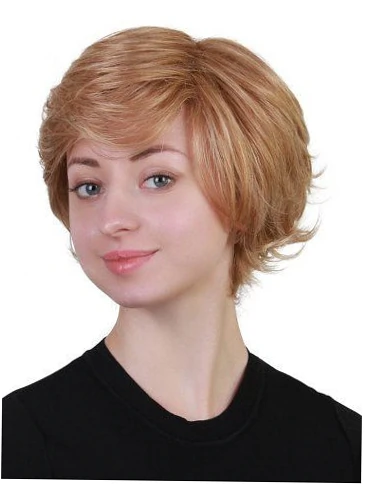
If you curl or straighten daily, human hair forgives you within reason, while standard synthetic filament will fuse and melt at those temperatures. Heat-friendly synthetic lines tolerate brief low-heat touch-ups only, and the factory set can relax permanently if you push them. Match the fiber to your tool habit before anything else.
Color works the opposite way. Synthetic wins when your shade is a stock option; human wins when you need a custom tone, grey blending or a soft root shadow. Anyone moving through salt-and-pepper regrowth should weigh this heavily, because a fixed synthetic color can clash badly with new growth at the roots.
Human vs Synthetic: Where Each One Fails
Tangling, Matting and Shedding
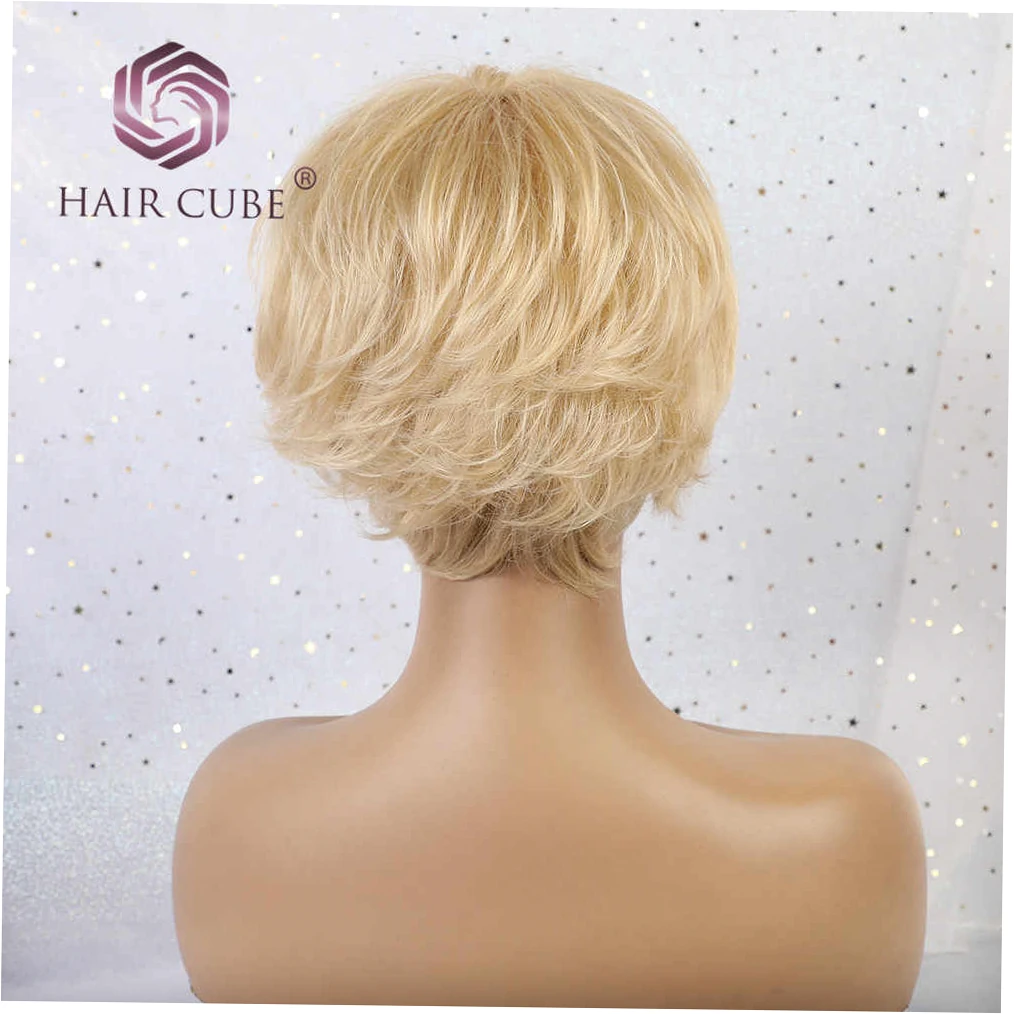
Human hair tangles when it dries out, loses cuticle alignment from heat damage, or gets washed with harsh sulfates. Synthetic tangles from static, friction against coat collars and lint trapped in the fiber. Both shed from the base over time; hand-tied bases shed less than machine-wefted ones, and neither fiber escapes it entirely.
Lifespan claims get inflated in marketing. In practice, daily wear gives you roughly three to six months from a synthetic topper and nine to eighteen from a cared-for human one. Divide the price by those months before you decide which option is actually the budget choice for you.
Clip Pressure on a Sensitive Scalp
Weight matters more as thinning progresses. Longer, denser pieces pull harder on clip grips, and human toppers are usually built denser than entry-level synthetics, so tension bites faster. Women with active hair loss often describe sore spots within hours. Lighter crown integration pieces spread that load and stay comfortable through a full workday.
If clips already hurt, the fix is a smaller footprint, silicone-backed clips and lower density rather than a different fiber. Rotating two lighter pieces also halves the daily load on any single patch of scalp, a cheap trick that buys real comfort without replacing your whole collection.
Best Buying Framework for Thinning Hair
A Five-Minute Fiber Test
Before you buy, run three checks. Count the minutes you truly spend on your hair each morning. List your heat tools and how often they come out. Then photograph your part in daylight and note whether the tone needs customizing. Two synthetic answers out of three means buy synthetic.
Then order one piece only, in the lowest density that covers your thinning area, and wear it for a week before ordering anything else. Most returns happen because people buy three pieces at once and discover the density or color is wrong on all of them.
What to Ask Before You Pay
Ask the seller directly: is the hair lightened or dyed, what is the density in percentages, is the base mono or lace, and what is the return window once the piece has been worn? Vague answers about sourcing and processing are a warning sign, especially on marketplaces that refuse returns.
Also ask whether your stylist can cut and thin the piece, and budget for one salon visit after delivery. A $60 synthetic topper trimmed to your face shape regularly beats a $400 human piece worn straight out of the box with the factory hairline intact.
| Your situation | Recommended fiber | Why it works |
|---|---|---|
| Early thinning, widening part, five-minute routine | Synthetic, mono top, 100 to 120% density | Fast, affordable, holds its set |
| Daily flat iron or curling wand user | Human hair | Survives repeated heat |
| Salt-and-pepper or custom ash tone | Human hair, professionally toned | Color must be adjustable |
| Active hair loss, sore scalp from clips | Light synthetic, low density, small base | Less weight, less pull |
| Special occasions only | Synthetic | Cost per wear is unbeatable |
| You genuinely enjoy styling hair | Human hair | Predictable behavior and repairable |
Topper Fiber Questions Women Actually Ask
Can I dye a synthetic topper to match my roots?
No. Synthetic filament takes no dye, and fabric dye or toner will stain the base and stiffen the fiber permanently. If regrowth is your problem, buy a rooted or balayage synthetic shade instead, or step up to human hair you can have professionally toned by someone who works with toppers regularly.
Is human hair always more natural-looking than synthetic?
No. Density and base construction drive realism far more than fiber type. A low-density synthetic piece on a monofilament top usually reads more natural than a heavy, high-shine human piece, particularly in daylight, in photographs and under office lighting where shine shows up first.
How long will each type really last with daily wear?
Expect three to six months from synthetic and nine to eighteen from human hair with proper care. Washing less often, using sulfate-free products on human pieces, and storing both on a stand or block will push you toward the upper end of those ranges rather than the lower one.
Do synthetic toppers damage my own hair or scalp?
Neither fiber damages hair directly. Irritation comes from clip tension, friction and trapped heat, so choose a light low-density piece, shift clip positions slightly each day, and give your scalp a break at night. Persistent sore spots are a fit problem, not a fiber problem.
Can I heat style a synthetic topper at all?
Only if the label says heat-friendly, and then only on low settings with brief contact and constant movement. Standard synthetic fiber fuses and melts, and that damage is permanent. Test on a hidden strand near the nape first, and never hold an iron in one spot.
Which option is cheaper over a full year?
Rarely the human one. Three synthetic pieces at $70 often cost less than a single $350 human topper plus corrective toning and weekly styling time. Human hair wins on feel, repairability and heat tolerance, not on annual spend, so decide which of those you actually need.
What if I have a sensitive scalp and active hair loss?
Start with the lightest piece that covers your thinning area, in either fiber, and look for a silk top for comfort against the scalp. If clips still hurt after a week, a smaller base or a grip-based alternative may suit you better than a heavier, longer topper.
For transparency: the comparisons here come from my own two-week wear tests with four pieces, published manufacturer specifications on fiber and density, and patterns I have collected from long-term wearers in hair loss communities. Individual results vary with scalp condition, climate and daily styling habits, so treat the timelines as ranges rather than promises.