Book Appointment Now

Why Topper Clips Hurt Thinning Hair
Hair Toppers for Women With Thinning Hair
Hair toppers for women with thinning hair come down to one blunt truth I’ve learned from fitting them: buy the smallest footprint that still covers your thinning patch, match density to the hair you actually have, then sort color out last. Get that footprint wrong and even a beautifully made partial hair piece will slide, itch at the clips, and end up in a drawer. This guide walks the whole decision—base size, fiber, attachment, budget—so you buy once instead of five times.
Table of Content
- What Hair Toppers Do for Thinning Hair
- Human Hair or Synthetic: Which Topper Lasts?
- Matching Base Size, Density, and Color
- How to Attach a Topper Safely
- Topper Mistakes, Risks, and Hidden Costs
- Topper vs Wig vs Extensions: Best Fit?
- Topper Budget, Care Routine, and Weekly Reality
- Hair Topper Questions Women Actually Ask
What Hair Toppers Do for Thinning Hair
Where a Topper Sits and What It Covers
A topper is a partial hairpiece that clips over your crown, part line, or front hairline and leaves your own perimeter hair exposed for blending: that’s the entire mechanism. Coverage is measured across the base in inches, not in overall hair length, which is why two pieces with identical 16-inch hair can hide wildly different amounts of scalp.
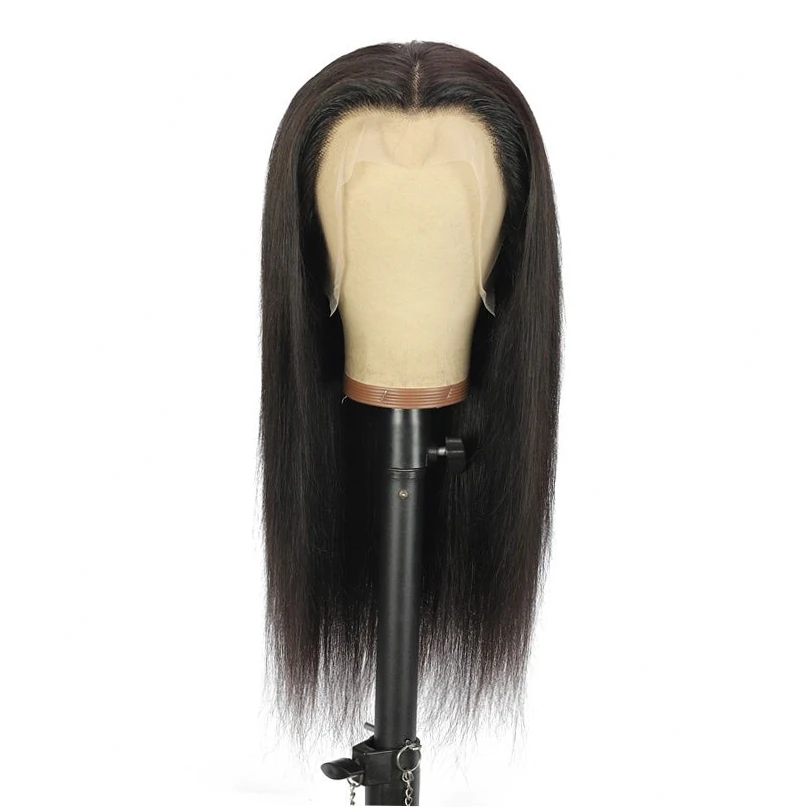
Treat it as a scalp patch with hair attached rather than a mini wig. The base material—lace, mono mesh, or silk top—decides how believable the parting looks, how much air reaches your scalp, and how visible the front edge turns in daylight.
Who Benefits, and Who Needs Something Else
Toppers suit thinning at the crown, part, or temples when you still have a functioning hairline and enough surrounding density to disguise clip placement: that’s the honest entry condition. Fine-but-stable hair usually works beautifully with a low density piece, while loss past roughly 50 percent diffuse thinning gets a more secure, more natural result from human hair wigs for alopecia, since those cover the whole scalp rather than one patch.
One caution I repeat constantly: if hair is shedding in handfuls this month, pause the purchase. Female pattern loss, telogen effluvium, thyroid dysfunction, and low ferritin all look different up close and respond to different treatment. A topper manages appearance; it does not treat cause, and pretending otherwise costs people months.
Human Hair or Synthetic: Which Topper Lasts?
Heat, Dye, and Realistic Lifespan
Human hair toppers accept flat irons, curling wands, and dye, which matters enormously if you color your own hair twice a year: matching a moving target is impossible with a fixed fiber. Synthetic pieces hold a factory-set style, shrug off humidity, and reset with cold water—but they scorch above roughly 300°F unless labeled heat-friendly, and they cannot be lightened.
Fiber debates get emotional, yet the practical split is simple: heat-stylers and dye-users need human hair, low-maintenance wearers do better with synthetic. A side-by-side human hair topper comparison shows exactly where the two diverge on tangling, fading, and survival under daily wear.
| Factor | Human Hair Topper | Synthetic Topper |
|---|---|---|
| Heat styling | Takes roughly 350–400°F with care | Factory-set; heat-friendly fibers cap near 300°F |
| Coloring | Can be darkened or lightened by a colorist | Cannot be lightened; limited toning only |
| Typical lifespan | 9–18 months (6–12 with near-daily wear) | 4–6 months before frizz at the ends |
| Price band | Roughly $150–$600 | Roughly $60–$250 |
| Daily styling time | Needs a quick style each wear | Shake, place, done |
| Humidity behavior | Can frizz without serum | Holds shape in damp weather |
Cost per Month, Not Sticker Price
Run the math per month instead of per purchase: a $250 human topper lasting nine months lands near $28 monthly, while a $120 synthetic replaced every four months runs $30. The gap closes faster than people expect, and human hair also absorbs a professional recolor that stretches its useful life by several more months.
Both estimates shift with water hardness, washing frequency, product residue, and heat habits, so treat them as ranges rather than promises. Anyone quoting a fixed lifespan in months without asking how often you’ll wear the piece is guessing.
Matching Base Size, Density, and Color
Measure the Thinning Patch, Not Your Head
Measure the thinning area with a fabric tape and round up to the nearest standard base: common footprints run 3×5, 4×4, 5×5, and 6×6 inches. A larger base covers more scalp but adds weight and clip pressure, so overshooting is a genuine mistake for early-stage thinning where a compact piece does the job invisibly.
Cap fit is a separate measurement and it’s where bigger heads get stuck. Many standard caps stop near 22.5 inches of circumference, the same sizing wall you hit while hunting for big head friendly wigs. Record circumference, front-to-nape, and ear-to-ear before you order anything.
Density Is Where Most Buyers Get It Wrong
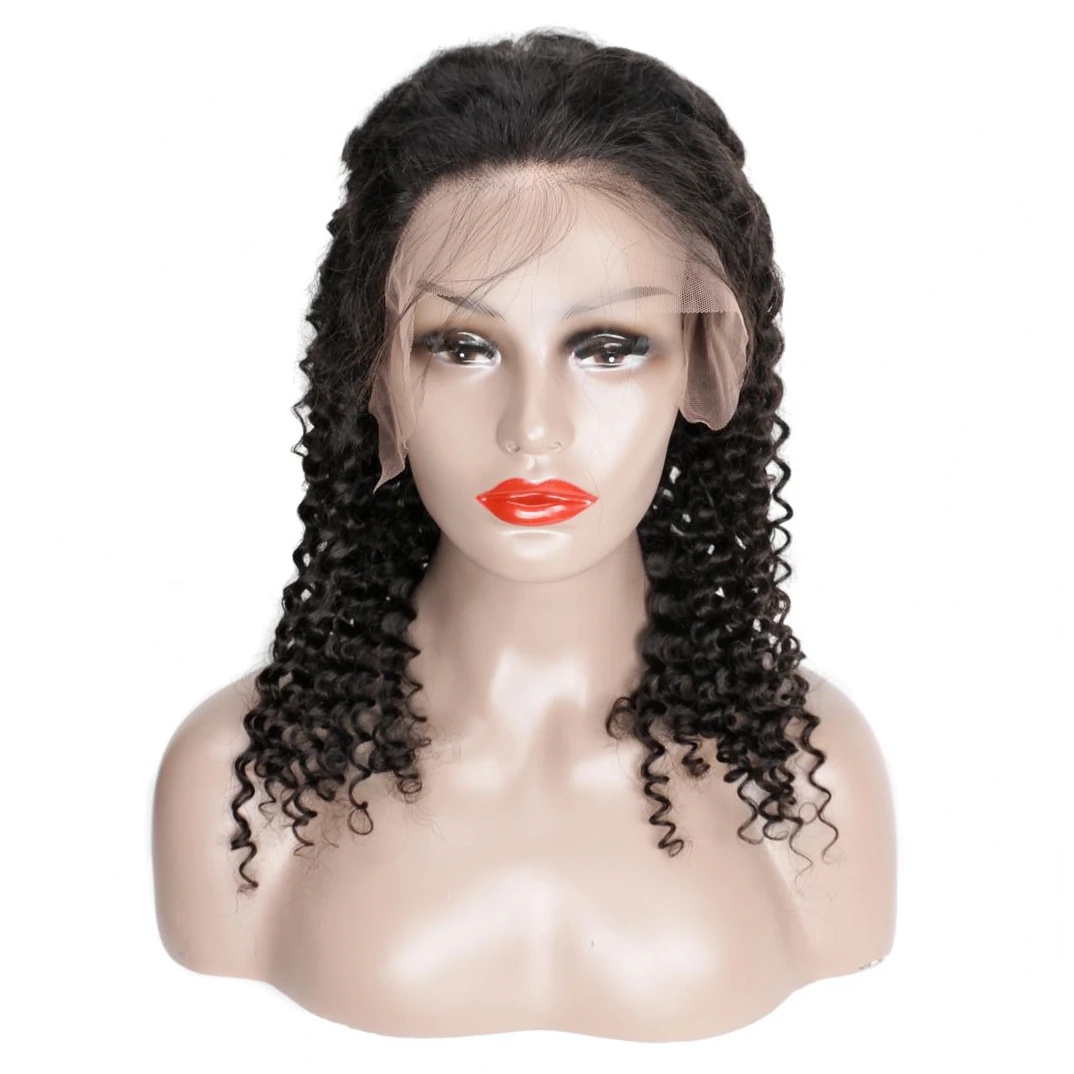
Match density to the hair you actually have: if your bio hair is fine, a medium-density topper reads as a helmet no matter how perfect the shade is. Ask for light or low density, request daylight photos, and remember that a $12 return fee beats owning a piece you never leave the house in.
Fine hair that was never actively thinning still deserves the same advice—density, not color, is what gives a piece away on camera. Low density also keeps the base cooler, which matters if you run warm or live somewhere humid.
Color Matching Without a Salon Appointment
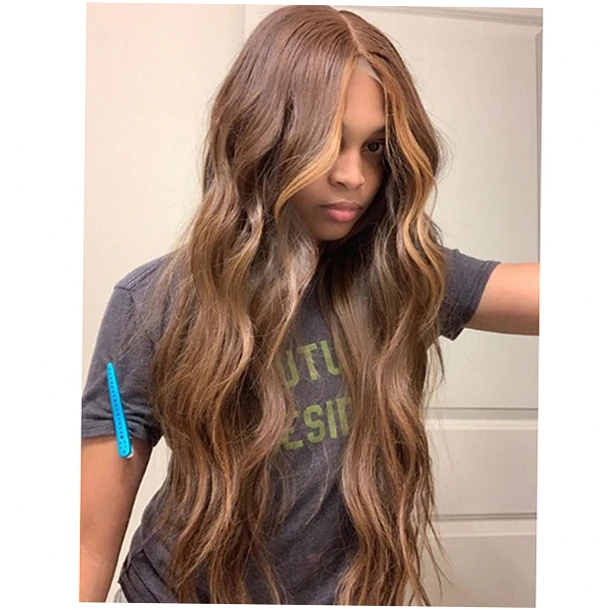
Order one shade lighter than instinct suggests, because most pieces photograph darker on a base than loose swatches imply, then adjust downward with a semi-permanent dye or a colorist’s ten-minute toner. Confirm the part is changeable too; a fixed, thick-looking parting is one of the fastest ways a topper announces itself in fluorescent light.
How to Attach a Topper Safely
Clip Placement That Doesn’t Pull
Section your hair so each clip bites into a flat, horizontal band of strands rather than a single clump, and never anchor into the identical spot two days running. Rotate placement by half an inch so those follicles get rest, and remove the piece the moment you feel steady tension instead of a light grip.
Angle matters more than pressure, which is why ten minutes spent on attaching a topper with clips pays off immediately. Press the clip open, slide it under the section, and let it close on hair—never on bare scalp, which is where soreness begins.
When the Clips Hurt: Comfort Fixes
Clip soreness is the most common reason women abandon toppers, and it usually signals too much weight, too much tension, or fragile scalp hair. Lighter density, fewer clips, and the cushioning layer described in wig caps for sensitive scalps resolve a surprising share of these complaints.
When scalp hair gets too thin to grip, sew the clips onto a velvet grip band and wear the topper over fabric instead of follicles. That single adaptation buys months of comfortable, secure wear for anyone whose density is still declining, and it stops the daily countdown to soreness.
Topper Mistakes, Risks, and Hidden Costs
What Brands Claim vs What Wearers Report
Marketing copy promises all-day security and undetectable hairlines; wearers describe a narrower reality. The table below summarizes gaps I see repeatedly in self-reported accounts rather than lab testing—treat it as a checklist to test before you buy, not a verdict on any single brand or seller.
| Feature | Official Claim / Standard Spec | Reported Real-World Experience |
|---|---|---|
| Clip security | Secure all-day hold | Soreness after 4–6 hours; placement rotation needed |
| Medium density | Described as natural-looking | Reads bulky and helmet-like on fine bio hair |
| Shade accuracy | True to swatch chart | Cool or greenish cast visible outdoors in daylight |
| Free parting | Part anywhere on the base | Parting often fixed, thick, and hard to shift |
| Lifespan | 12 months of regular wear | Visible frizz and tangling by month 6–8 with daily wear |
| Price-value | Salon pieces justified at $800–$1,500 | Comparable $100–$200 pieces after a short recolor |
Hidden Costs Nobody Quotes You
Budget beyond the piece itself: a colorist appointment to blend shades, a cut to shape the front edge, replacement clips, and the redye that seasonal hair color changes force on you. Wearers who shift tone twice a year often report that matching costs more than the topper, which is worth knowing before committing.
Returns are the other invisible cost. Unworn pieces are usually returnable within 30 days; once you’ve cut, dyed, or styled them, that window closes. Read the policy in the same sitting you read the density chart.
When a Topper Stops Being the Answer
If shedding accelerates, clips loosen monthly, or your scalp turns tender under the base, step back and address the hair loss and scalp health side first: bloodwork for ferritin and thyroid, a dermatologist specializing in hair, and a candid talk about medication. Hardware manages appearance; it cannot slow progression.
Topper vs Wig vs Extensions: Best Fit?
Coverage, Attachment, and Stage of Loss
Each option solves a different geometry problem, and choosing by coverage area rather than sticker price produces better outcomes. The comparison below maps the main four against the stage of thinning they genuinely serve, including the temporary fixes people often try first.
| Option | Coverage | Hair Needed | Attachment | Typical Cost | Best Stage |
|---|---|---|---|---|---|
| Topper | Crown, part, or hairline patch | Enough to clip into (roughly 30–70%) | Clips, tape, or grip band | $100–$900 | Early to mid thinning with intact hairline |
| Full wig | Entire scalp | None | Cap, grip, lace adhesive | $150–$1,500 | Advanced or diffuse loss |
| Clip-in extensions | Length and ends only | Moderate density at attachment rows | Wefts clipped to hair | $300–$1,500 plus upkeep | Thick hair wanting length |
| Halo | Perimeter volume, no scalp coverage | A decent hairline | Invisible wire | $80–$400 | Fine but stable hair |
Why Extensions Often Backfire on Thin Hair
Extensions add length and bulk at the ends while leaving the crown exactly as sparse as before: that’s the structural flaw. Wearers with fine hair repeatedly describe triangle-shaped volume, tender roots, and traction damage after months of wear, and stylists increasingly decline to fit them on compromised density for precisely that reason.
If you want volume without scalp coverage, a halo is the gentler experiment—lighter grams, nothing bonded to the root, and no six-week maintenance appointment. It won’t hide a visible part, but it also won’t pull hair you can’t spare.
Moving From Topper to Full Wig
When density drops below what clips can grip, full coverage becomes the comfortable choice, and plenty of women describe their topper years as useful training for that jump. Medical-grade wigs for alopecia patients include pressure-relieving caps that matter if your scalp is sensitive or still actively shedding.
Full coverage also deletes the blending problem entirely: nothing has to match, because nothing shows. That’s why wigs for bald heads are often described as easier than toppers by people who have worn both—the learning curve feels steeper, but the daily routine gets shorter.
Topper Budget, Care Routine, and Weekly Reality
Budget Math per Wear
Divide price by expected wears rather than months: a $300 piece worn four days weekly for a year lands near $1.45 per wear, which reframes the whole purchase. Starter pieces in the $100–$200 range make sense while you learn your preferred base and density, and many women keep one cheap backup for gym days, storms, and travel.
A Care Routine That Extends Life
Wash every eight to twelve wears with sulfate-free shampoo in cool water, condition mid-shaft to ends, and dry flat on a towel over a rack rather than hanging. Store on a block or mannequin head, detangle from the ends upward, and rotate two pieces if you wear daily—rotation is the single biggest factor in fiber survival.
Before you buy, do three things: measure the patch and your circumference, order one piece in the lightest density available in your shade range, and book a colorist for a fifteen-minute toner once it arrives. If it doesn’t work, return it fast—most sellers allow 30 days on unworn pieces, and that window is your real safety net.
Hair Topper Questions Women Actually Ask
How long does a human hair topper last with daily wear?
Expect six to twelve months of daily wear before ends frizz or the parting thins visibly, with lighter densities and gentle washing pushing toward the top of that range. Heat styling every morning, hard water, and heavy product all shorten it. Judge by texture and shedding, not by the calendar someone quoted you.
Will topper clips make my existing hair fall out faster?
Traction damage is real, but it comes from tension and repeated identical placement rather than clips existing at all. Rotate positions, use the lowest density that covers the patch, and take clip-free days. If your scalp aches by afternoon, move to a grip band before your hair decides for you.
Can I sleep in a hair topper?
Not recommended. Friction against a pillow frizzes fibers and grinds clips into your scalp for eight hours, and matting near the part becomes difficult to undo. A silk bonnet plus a very lightweight piece is survivable for a nap, but overnight wear shortens lifespan noticeably.
Is a topper or a wig better for early-stage thinning?
A topper, in most cases. It preserves your own hairline, which is the most convincing edge available anywhere, and it costs less to replace than a full wig. Move to full coverage when clips no longer grip or when thinning spreads past the crown into a full-scalp problem.
How do I color-match a topper if I dye my hair twice a year?
Buy human hair, buy one shade lighter, and keep a semi-permanent toner on hand for drift. If you change tone dramatically each season, two inexpensive pieces cost less than repeatedly recoloring one expensive piece—and synthetic fiber can’t be lightened at all, which rules it out for frequent color shifts.
Can I wear a topper with very fine hair and a visible scalp?
Yes, with adjustments. Choose low density, a lace or mono base, narrow clips, and a smaller footprint so there’s less weight to anchor. A grip band under the piece removes clip pressure entirely. Very fine hair that was always fine responds better than hair that is actively shedding.
Do I need a diagnosis before ordering a topper?
Not for appearance, but yes if loss is active or progressing. Reversible causes—thyroid imbalance, low iron, telogen effluvium after illness or stress—change the plan entirely, and a dermatologist who focuses on hair will catch what a general appointment often misses. Manage the look now; investigate the cause in parallel.