Book Appointment Now

Are Medical Wigs for Alopecia Patients Worth the Cost?
I’ve helped fit wigs for alopecia patients for years, and here is the blunt answer: the wig that works is rarely the most expensive one. It is the one that stays comfortable on a bare, sensitive scalp for eight hours and still reads as your own hairline in daylight. Put your money into cap construction and lace quality first, fiber second — that single ordering decision prevents most of the regret I see.
Table of Content
Alopecia is an umbrella term, not one condition, and coverage needs differ enormously. Where loss is diffuse and progressive — classic androgenetic thinning — a full wig can feel like overkill and trap heat unnecessarily. In those cases, hair toppers for thinning hair often breathe better and clip into the density you still have, while a full cranial prosthesis makes far more sense once density is gone across the whole scalp.
What Wigs for Alopecia Patients Really Solve
How does a wig cap behave on a bare scalp?
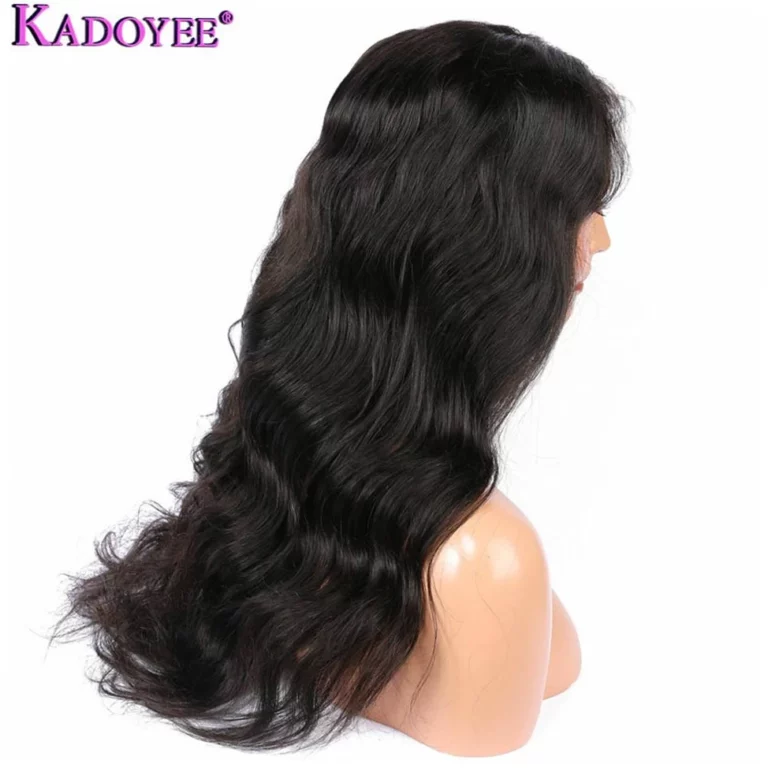
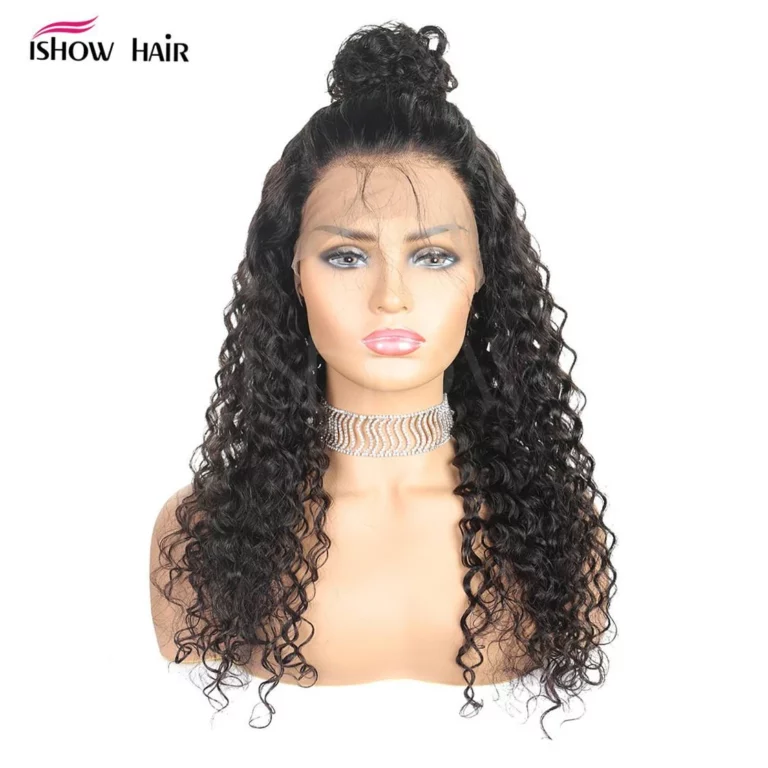
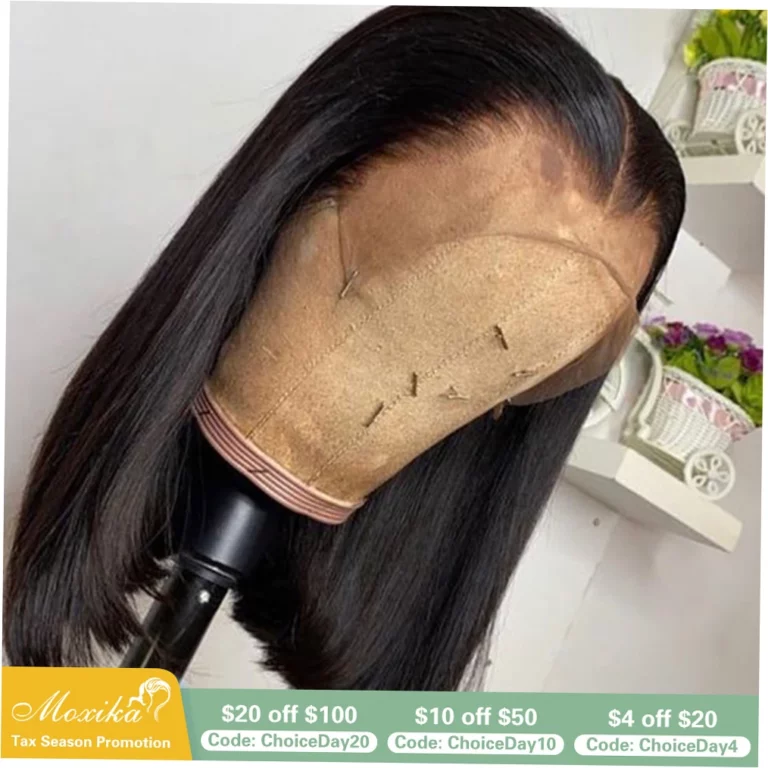
On a scalp with no hair layer, a wig does three jobs at once: it restores volume and silhouette, it buffers sun and friction, and it shields skin that is often tender or scarred. The mechanism matters because caps transfer weight and heat directly to skin. Closed-weft construction concentrates that weight; open-weft and lace-front caps distribute it and vent moisture, which is why two wigs at the same price can feel completely different by hour four.

Which type of alopecia changes the plan?
Androgenetic alopecia is gradual and patterned, so partial pieces and integrated systems usually outperform full caps. Alopecia areata is patchy and unpredictable, and regrowth can appear within months — snap clips and temporary adhesives beat glue-down systems. Chemotherapy-induced loss has a known timeline, making a lighter, shorter-lived synthetic a smarter first purchase. Cicatricial alopecias leave scar tissue, so soft liners and low-pressure caps become non-negotiable rather than nice-to-have.

Why does fit beat fiber every single time?
Measure your head before you shop: circumference, front-to-back, and ear-to-ear. A cap that is even a half-inch too large slides backward, exposes the hairline, and rubs the same pressure point all day. I have watched wearers spend four figures on virgin hair and stay miserable, then feel instant relief in a mid-priced wig with a correct cap size and a soft nape band.
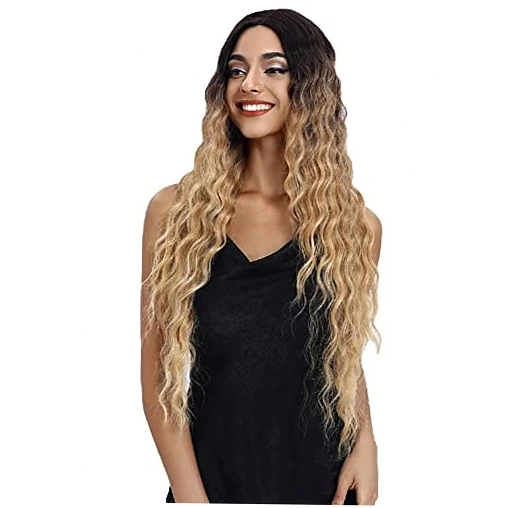
Synthetic vs Human Hair Wigs: Which Wins?
What does the price tag really buy?
Price tracks construction more than fiber. A hand-tied human hair unit at four thousand dollars is paying for a plucked, bleached hairline and a custom cap — not for magical hair. Meanwhile, a heat-friendly synthetic at three hundred dollars can look convincing in photographs. The honest comparison is lifespan against daily styling needs, not luxury versus cheap.
| Option | Typical Price (USD) | Realistic Lifespan | Heat Tolerance | Best For |
|---|---|---|---|---|
| Standard synthetic | 120–350 | 3–6 months of daily wear | None; factory-set style | First wig, known regrowth timeline |
| Heat-friendly synthetic | 250–550 | 6–9 months | Low heat tools on low settings | Volume with minimal styling effort |
| Machine-made human hair | 600–1,400 | 12–18 months | Standard tools with heat protectant | Wearers who color or curl often |
| Hand-tied human hair | 2,000–7,000 | 2–3 years with disciplined care | Full styling flexibility | Long-term wearers wanting an undetectable hairline |
Where do real wearers disagree with the label?
This is where manufacturer language and lived experience split. Wearers consistently report that breathability claims collapse in humid weather, that insurance accepted rarely means full coverage, and that factory hairlines look dense until someone plucks and bleaches the knots. None of those gaps are scandals — they are the difference between a spec sheet and a body wearing the product for ten hours.
| Claim on the Box | What Wearers Report | Why the Gap Exists |
|---|---|---|
| Breathable, all-day comfort | Overheating by mid-afternoon, worst in summer | Closed-weft caps trap heat; lace fronts vent better |
| Insurance accepted | Partial reimbursement, often capped annually | Benefit ceilings and coding requirements vary by plan |
| Undetectable hairline | Natural only after custom plucking or bleaching | Factory hairlines are uniformly dense |
| Lasts a full year | Three to six months on daily synthetic wear | Friction, heat, and washing degrade fibers fast |
| One wig is enough | Most end up owning several and reselling a few | Color regret plus rotation is what extends life |
My rule of thumb: buy synthetic for speed and predictability, buy human hair wigs for alopecia when you intend to style, color, or wear the same unit for over a year. Longevity claims only hold if you commit to gentle washing and a second wig to share the load.
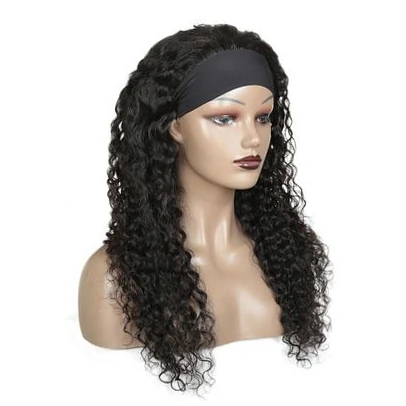
Why Does Your Scalp Itch Under Wigs?
Which cap liners actually reduce pressure?
Most itching under a wig comes from friction, trapped heat, and residual adhesive — not from the fiber itself. Silk and bamboo liners reduce shear against bare skin, and open-weft caps let air move. If your scalp is already reactive, a structured sensitive scalp care routine of gentle cleansing, barrier cream at pressure points, and daily wig-free hours does more than any premium fiber upgrade.
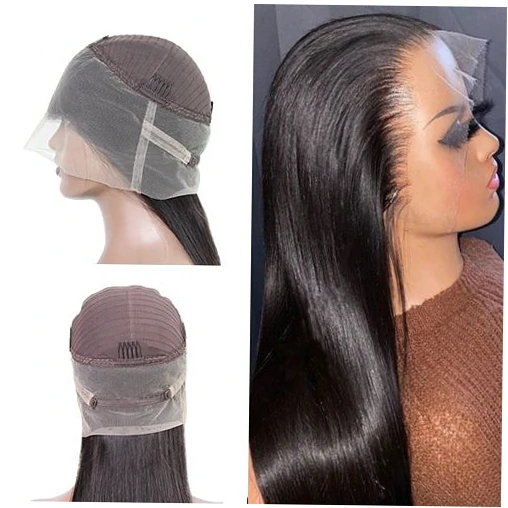
When does adhesive become the real problem?
Lace glue delivers the most secure hold and the highest irritation risk. Tape is kinder to fragile skin, and grip bands or silicone strips avoid adhesive entirely. Warning signs to respect: itching within minutes, tenderness at the nape, or small bumps along the hairline. Run a 48-hour patch test behind the ear and on the inner forearm before committing a full unit to glue — and never sleep in adhesive if your scalp is already inflamed.
How many hours a day is actually safe?
There is no universal number, but most dermatology guidance favors giving skin regular air exposure and checking for redness or flaking weekly. Practically, I recommend capping daily wear at ten to twelve hours, removing the unit the moment you get home, and scheduling at least one wig-free evening per week. Regrowing hair is fragile; constant tension and occlusion slow it down.
Which Buying Mistakes Cost Alopecia Wearers Most?
Why does insurance paperwork sink so many claims?
Most denials are administrative, not medical. Policies typically require a physician’s prescription using the term cranial prosthesis, itemized receipts, and proof of in-network purchase. Coverage ceilings are commonly a few hundred to around fifteen hundred dollars annually. Ask your insurer for the benefit in writing before ordering, and confirm whether medical wigs for alopecia must be billed through a credentialed supplier rather than bought retail.
Which fine print traps first-time buyers?
Returns are the cruelest surprise. Many wig retailers charge restocking fees, refuse returns on custom or clearance units, and void warranties once a unit is washed or cut. Before paying, get the return window, restocking percentage, and warranty terms in writing — and ask which cleansers keep coverage valid. Documentation matters more than charm at the counter.
| Pitfall | Early Warning Sign | Prevention |
|---|---|---|
| Restocking fees on returns | Final sale buried in checkout copy | Confirm the return window and fee in writing first |
| Wrong cap size | Wig slides when you tilt your head | Measure circumference, front-to-back, ear-to-ear |
| Adhesive irritation | Itching within 24 hours of application | 48-hour patch test before full commitment |
| Warranty voided by washing | Do not wash clause in the care card | Ask which cleansers preserve coverage |
| Scalp neglect under the cap | Flaking, tenderness, or odor after wear | Daily wig-free hours and monthly scalp checks |
Curating a Rotation That Feels Like You
Why two wigs beat twelve
I have watched people buy a dozen units in one excited month and resell a third untouched. Two well-chosen wigs — one everyday workhorse, one lighter backup — give you rotation, drying time, and a spare during repairs. That is cheaper than a closet of experiments and far better for your scalp. Add a third only after you know your preferred density and hairline style.
What the first month really looks like
Expect a two-week adjustment: a slightly tender nape, a learning curve with tape edges, and one afternoon of frustration with styling. Book a trimming or customization appointment in week one rather than week six, keep a dry shampoo and wide-tooth comb handy to soften shine, and photograph the hairline in daylight before you wear it out. If something feels wrong by day ten, return or exchange while your window is still open.
Wigs for Alopecia Patients: Your Questions Answered
Do wigs for alopecia patients stop hair from growing back?
Not directly — but constant tension, adhesive irritation, and occlusion can inflame a scalp that is trying to recover. The practical fix is daily wig-free hours, correct cap sizing to avoid pressure points, and adhesive-free options on any area with active regrowth. If your scalp stays red, tender, or bumpy for more than a week, step back and see a dermatologist before resuming full-time wear.
Is a human hair wig always better than synthetic for alopecia?
No. Human hair wins on styling flexibility and longevity, but it demands more maintenance, heavier care products, and a higher upfront spend. Synthetic wins on predictable styling, lighter weight, and lower replacement cost — which suits temporary loss or a first purchase. Choose by how you will actually wear it, not by which one sounds more premium on a product page.
How much should I budget for a first wig plus upkeep?
Plan for the wig plus roughly twenty to thirty percent of its price each year in upkeep: cleansing products, adhesives, a trimming appointment, and eventual replacement. A three-hundred-dollar heat-friendly synthetic with disciplined care outlasts a neglected budget human hair unit. If insurance contributes, confirm the benefit ceiling and whether receipts must be itemized before you commit.
Can I sleep, swim, or work out in a medical wig?
Swimming in chlorinated or salt water shortens fiber life and loosens knots; a dedicated swim cap or a cheap backup unit is smarter. Sleeping in adhesive systems increases friction and irritation, so most wearers switch to a soft sleep scarf. For exercise, grip bands and open-weft caps handle sweat far better than glue, and a quick rinse-and-air-dry routine keeps odor and buildup down.
What are the real risks of wearing a wig every day?
The documented risks are mostly skin-level: contact dermatitis from adhesives, folliculitis, traction at pressure points, and heat rash under closed caps. Serious complications are uncommon, but they cluster in people who never remove the unit or ignore early itching. Treat persistent tenderness, weeping, or spreading redness as a stop signal, not a phase to push through.
Which options suit kids and teens with alopecia?
Younger wearers usually do best with lightweight synthetic units, soft liners, and secure but adhesive-free attachment — comfort and easy removal matter more than a perfect hairline. Involving them in color and style choices improves acceptance dramatically. Families should also confirm school policies and ask suppliers directly about return windows, since growth spurts mean faster replacement cycles.