Book Appointment Now

Can a Wig Liner Stop Itchiness for Good?
I finally cracked how to prevent wig itchiness after three months of clawing at my scalp through a lace front, and the answer was never a pricier wig — it was a boring stack of clean skin, correct cap size, and a breathable liner. If you’re comparing hair toppers for thinning hair, comfort is the one spec no product page lists, so here’s the checklist I wish someone had handed me before that first scratchy afternoon.
Table of Content
Why Does My Wig Itch So Badly?
The Real Trigger Is Heat and Friction
Itch under a wig is mostly a moisture-and-friction problem, not a fiber problem: the cap traps warm air, sweat can’t evaporate, and the skin softens and starts to prickle. Once that humidity builds up, even a beautifully made piece feels scratchy within an hour. So before you blame the hair, blame the layer touching your skin.
Sweat, Sebum, and Bacteria Build Up Fast
Your scalp produces oil and sweat all day, and a wig gives that mixture nowhere to go. Warm, damp, covered skin is exactly where the yeast that lives on every scalp gets comfortable, and the resulting low-grade irritation reads as constant itching rather than a visible rash. Washing your head and the piece breaks that cycle faster than any spray.
Sometimes It’s Dryness or a Genuine Allergy
Not every itch is a hygiene issue. Some scalps are simply dry and object to being covered, while a smaller group reacts to adhesives, dyes, or particular synthetic fibers. One woman I help regularly wore wigs for a year before realizing her tape, not the wig, was causing the burn. If itch arrives with redness, bumps, or swelling, get it looked at.
| Trigger | How it feels | Fastest practical fix |
|---|---|---|
| Trapped sweat and heat | Prickly, gets worse through the day | Softer liner plus shorter wear blocks |
| Factory residue on new hair | Itchy from the very first hour | Gentle wash before the first wear |
| Too-tight band or lace | Pressure ache at temples plus itch | Size up or loosen the straps |
| Yeast and bacteria buildup | Persistent low itch, some flaking | Wash scalp and piece more often |
| Adhesive or dye reaction | Burning, red, bumpy patches | Stop tape or glue, patch test first |
How to Prevent Wig Itchiness Before Wearing
Wash New Pieces Before They Touch Skin
Straight-out-of-the-bag itch is real: factory handling, sizing sprays, and warehouse dust all sit on fibers you’re about to press against your scalp. Give a new piece a gentle wash in cool water with mild shampoo, rinse until the water runs clear, and let it air dry on a stand. That single step quietly solves a surprising number of first-week complaints.
Prep Your Scalp, Not Just Your Hair
Clean, fully dry skin is the best primer there is. Wash your hair or scalp, dry it completely, and skip heavy leave-in products that turn tacky under a cap — tacky residue plus body heat equals itch. If your scalp runs dry, a thin layer of fragrance-free moisturizer absorbed ten minutes before wear helps more than any cooling spray.
Match the Piece to a Sensitive Scalp
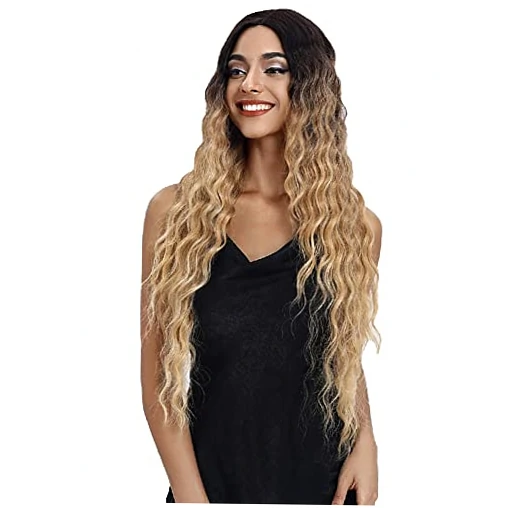
People with fragile or reactive scalps need different construction than someone with a full head of hair. If your skin is tender or still healing, look at pieces built for delicate heads, including wigs for alopecia patients, where soft linings and hand-tied tops replace scratchy wefts. Those comfort features cost more upfront but they decide whether you wear the thing or resent it.
Which Wig Cap Stops Itching Best?
Nylon, Fishnet, Bamboo, or Nothing?
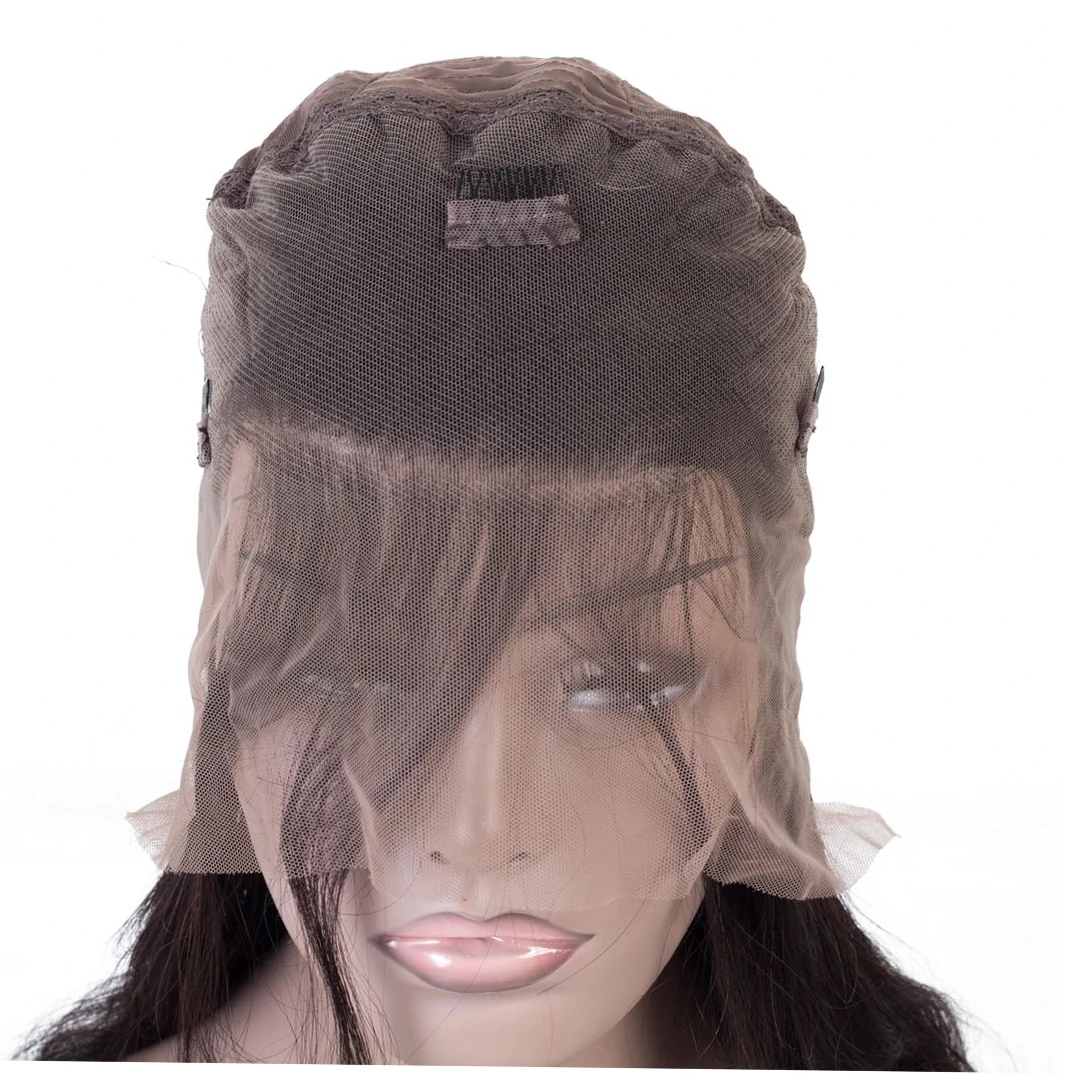
A cap is a barrier, and barriers cut both ways. Nylon caps are smooth and cheap but seal in heat; fishnet caps breathe yet can leave a scratchy grid on sensitive skin. The compromise many long-term wearers settle on is a fishnet layer under a soft nylon or bamboo one, so you get airflow plus a smooth surface against the scalp.
Fabric Softness Beats Fabric Hype
Bamboo and cotton-blend caps feel noticeably softer than standard nylon, and softness matters more than any breathability badge on the packet. If you’re torn between two caps, press each one against your inner wrist for ten seconds and pick the cooler, slicker feel. That tiny test predicts comfort better than the marketing copy ever will, honestly.
Construction Decides How Hot It Gets
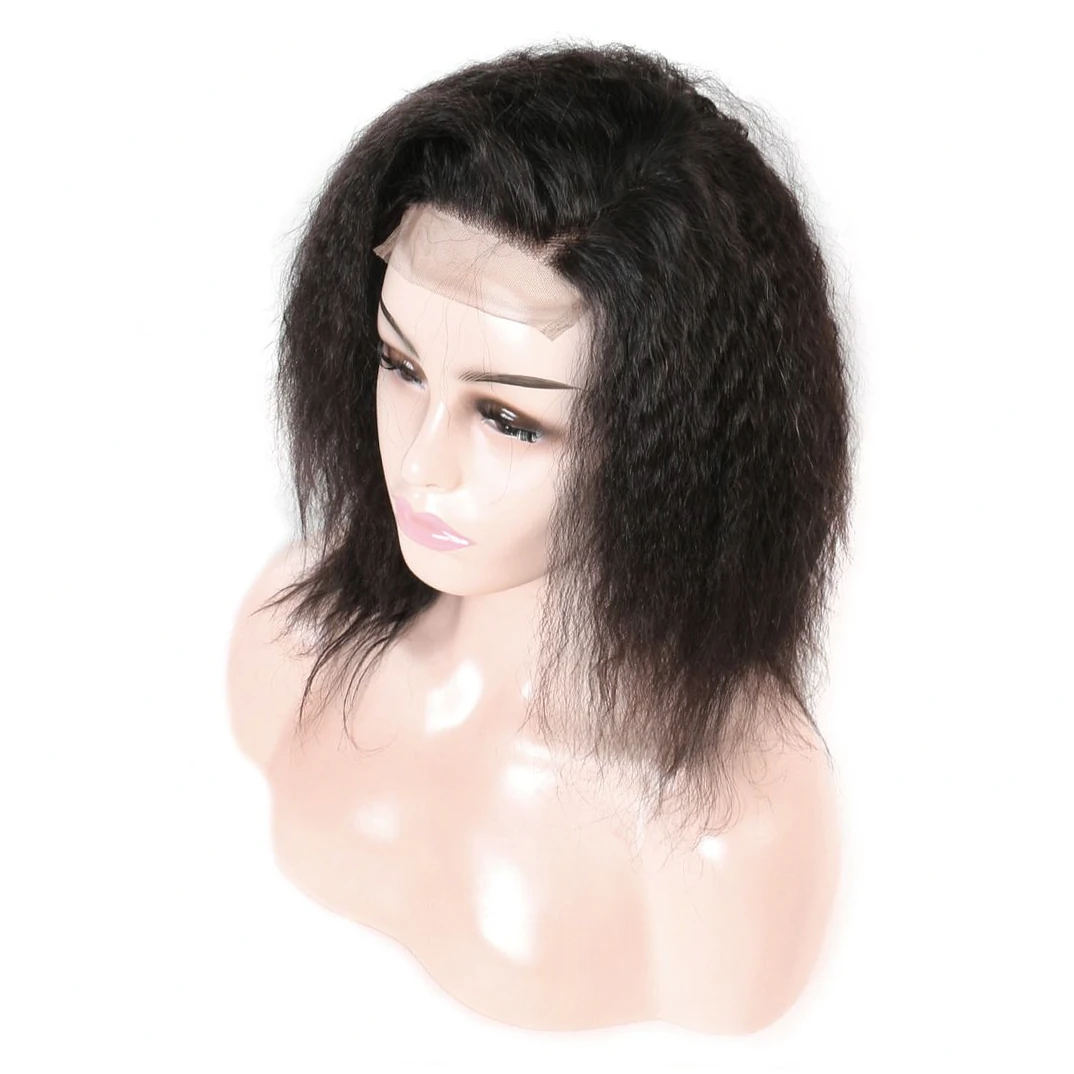
The build inside the wig matters as much as the liner you wear. Closed wefts hold shape and hide tracks but trap more warm air; open wefts breathe better yet let stray hairs poke through. Mono-top and hand-tied sections sit lighter on the crown. Denser, heavier textures such as curly wigs also hold more heat, so texture choice affects itch directly.
| Option | Breathability | Itch risk | Best suited to |
|---|---|---|---|
| Standard nylon cap | Low | Medium to high | Short wear, cool weather |
| Fishnet cap alone | High | Medium (grid friction) | Hot days, brief outings |
| Bamboo or cotton blend | Medium to high | Low | Daily wear, sensitive skin |
| Fishnet under soft nylon | Medium | Low to medium | All-day wear |
| No cap on a shaved head | Highest | Low to medium (slippage) | Very short wear, snug fit |
| Mono-top hand-tied build | Medium | Low | Extended daily wear |
Mistakes That Make Wig Itchiness Worse
Skipping the Fit and Size Check
A too-tight cap presses lace into your temples and creates a pressure itch no liner can rescue. Measure your head, check the cap size, and adjust straps before you trim any lace. If the piece slides or lifts instead, the answer is technique rather than cranking it tighter — the same thinking behind keeping a wig on securely without clamping it to your skull.
Wearing It From Morning to Midnight
Eighteen hours of occlusion isn’t a comfort problem, it’s a skin problem. Give your scalp real breaks: take the piece off when you get home, sleep without it, and plan one uncovered day a week if you can. Most people who describe relentless itching are simply never letting their skin dry out properly, and that habit is fixable tonight.
Fighting Itch With the Wrong Products
Powders, heavily fragranced sprays, and oil-based serums can backfire under a cap by trapping more residue against warm skin. If you need relief, stick to fragrance-free, water-light formulas, and treat a flaky scalp with a proper anti-dandruff wash instead of masking the itch. If drugstore options don’t help within two weeks, that’s a dermatologist conversation rather than a shopping one.
| What the label says | What wearers actually report | Practical takeaway |
|---|---|---|
| Breathable cap means no itch | Airflow helps, but seams and lace edges still scratch | Judge the lining, not the airflow diagram |
| One size fits all | Borderline-tight caps cause pressure itch within hours | Measure, and size up if you’re between sizes |
| Wash once a month | Weekly washing is the single biggest reported improvement | Wash more often than the label suggests |
| Synthetic fibers cause itching | Most reactions trace to sweat, residue, or adhesive | Fix hygiene and fit before switching fiber |
| Premium price equals comfort | Construction (mono top, hand-tied) matters more than tier | Compare specs line by line, not price tags |
Your Daily Anti-Itch Wig Routine
The Ten-Minute Evening Reset
Every night the piece comes off, wipe the inside of the cap with a barely damp cloth, set it on a stand to air, and clean your scalp properly. Ten minutes of airing beats an hour of scratching tomorrow. Keep a small fan near your storage spot, because leftover warmth and moisture inside the cap is what greets your skin the next morning.
A Weekly Deep Clean and Scalp Break
Once a week, wash the piece with gentle shampoo, rinse thoroughly, and condition only the fibers — never the cap. Wash your own scalp the same day, exfoliate lightly if you’re prone to flaking, and let both dry completely before wearing again. Skipping this reset is the most common reason itch creeps back after a promising start.
Rotate Pieces and Give Skin a Rest
If you wear something daily, two alternating pieces extend their lifespan and halve the load on your skin, because each one gets a full day to dry out. On your rest day, wear nothing on your scalp for a few hours at home with the door closed. Skin recovers faster than you’d expect from that small, unglamorous break.
| Frequency | Task | Why it matters |
|---|---|---|
| Every wear | Wipe cap interior, air on a stand | Clears sweat residue before it sets |
| Daily | Wash scalp or hair, dry fully | Removes oil, sweat, and product film |
| Weekly | Wash the piece, deep clean the scalp | Breaks the yeast and bacteria cycle |
| Monthly | Check straps, lace edges, overall fit | Prevents pressure itch from loosening |
| Each season | Replace stretched liners and caps | Flattened fabric stops buffering friction |
Start tonight with the two things that cost nothing: wash and dry your scalp properly, and give the piece ten minutes of air before it goes back in the box. Do that before you buy anything new. Then, if the itch persists, upgrade the layer touching your skin rather than the whole wig — that’s where the money is best spent and where most people finally get relief.
Common Questions About Preventing Wig Itchiness
Is it normal for a new wig to itch at first?
A mild prickly feeling for the first hour or two is common and usually fades as the cap warms to your head. Itch that starts immediately and never settles is not normal, and it almost always points to factory residue, a cap that’s too tight, or scratchy lace digging into skin. Wash it once, check the fit, then reassess.
Do wig caps make itching better or worse?
Usually better, because a smooth liner separates scratchy wefts and lace from your skin. The exception is the wrong cap: a stiff fishnet grid or a worn-out nylon that has gone pilling and flat will add friction instead of removing it. If a cap makes things worse, swap the fabric before abandoning caps entirely.
Can I wear a wig every day if my scalp itches?
Yes, with a routine. Daily wear works for plenty of people who wash both scalp and piece weekly, dry everything completely, and take the piece off for several hours each evening. What doesn’t work is wearing it around the clock in hot weather. If itch comes with redness or bumps, pause wear and see a dermatologist.
Are expensive wigs really less itchy?
Price itself doesn’t buy comfort; construction does. A mid-range piece with a mono top and hand-tied sections often feels cooler and softer than a pricier item with dense closed wefts. Read the spec list, look at the lining, and judge how the cap sits on the crown. Compare features, not price tiers.
What should I do if the itch comes with a rash?
Stop wearing the piece and remove any tape or adhesive immediately. Wash the area with lukewarm water and a fragrance-free cleanser, then let the skin breathe for a few days. A patch test on your inner arm can help identify whether the fiber, the dye, or the glue is responsible. Persistent rashes need professional review.
Does shaving my head help with wig itchiness?
It helps with bulk and heat, which are two real itch drivers, but bare skin under an occlusive cap still sweats. Most shaved-head wearers find they need a soft liner for grip and for a smoother surface. The trade-off is slippage, so fit and secure fastening matter more than ever in that setup.
How often should I wash my wig to stop the itch?
For daily wear, aim for once a week, and step that up in hot weather or after heavy sweating. Between washes, wipe the cap interior and air the piece every evening. Washing more often than the label suggests is one of the most consistent improvements wearers report, as long as you use a gentle shampoo and never scrub the cap.